
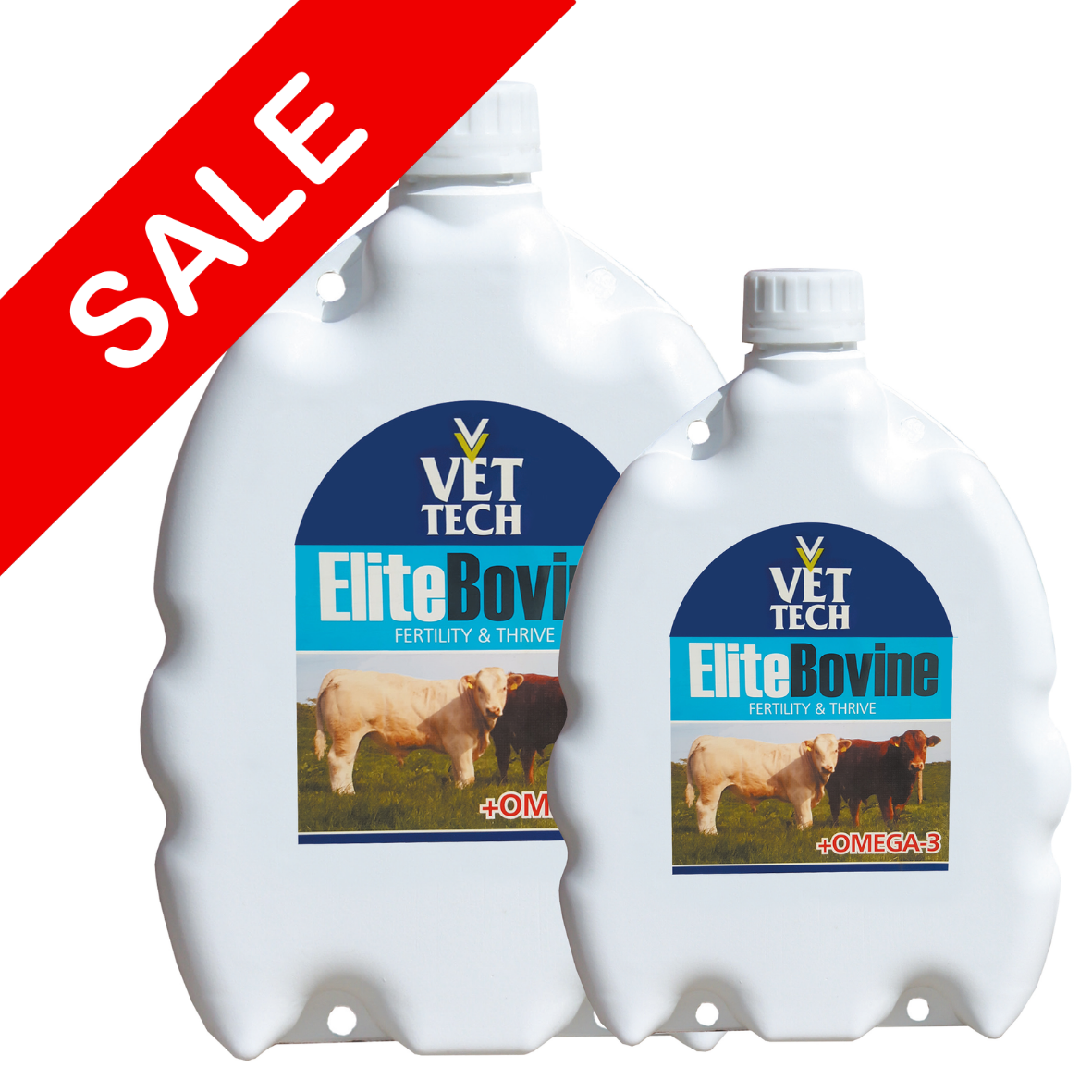
Mineral nutrition plays a crucial role in cattle health, fertility, growth and productivity. While most cattle obtain their mineral requirements through forage, concentrates and free-access mineral supplements, there are situations where a mineral drench can provide a rapid and effective method of correcting deficiencies or supporting animals during periods of high demand.
What is a Mineral Drench?
A mineral drench is a liquid supplement administered orally, typically using a drenching gun. It contains essential trace elements and minerals that are absorbed through the digestive system and made available to the animal relatively quickly.
Common minerals included in drenches are:
- Selenium
- Copper
- Cobalt
- Zinc
- Iodine
- Magnesium
Depending on the product, drenches may also contain vitamins such as A, D and E.
Why Use a Mineral Drench?
Mineral drenches are most commonly used when:
1. Correcting Known Deficiencies
Many areas of the UK have naturally deficient soils, which can lead to inadequate mineral levels in forage. Common deficiencies include:
- Selenium and iodine in upland areas
- Copper deficiencies where molybdenum or iron levels are high
- Cobalt deficiency causing poor thrive in youngstock
Clinical and subclinical deficiencies can result in:
- Reduced fertility
- Poor growth rates
- Lower milk production
- Weakened immune function
- Increased disease susceptibility
A drench can provide a rapid boost while longer-term supplementation strategies are implemented.
2. Supporting Fertility
Trace minerals are essential for reproductive performance.
Adequate levels of selenium, copper, zinc and iodine contribute to:
- Improved conception rates
- Better embryo survival
- Stronger heat expression
- Reduced incidence of retained cleansings
Many producers choose to supplement breeding animals ahead of service to optimise mineral status during critical reproductive periods.
3. Supporting Calves and Growing Stock
Young animals have high mineral requirements to support:
- Bone growth
- Muscle development
- Immune function
Mineral deficiencies in calves can lead to poor growth rates, ill-thrift and increased disease risk. Strategic drenching can help support performance where deficiencies have been identified.
4. Stress Periods
Requirements for certain minerals increase during:
- Calving
- Housing
- Weaning
- Transportation
- Disease challenges
Mineral supplementation during these periods may help maintain immune competence and reduce performance setbacks.
Advantages of Mineral Drenches
Fast Administration
Animals can receive a known dose immediately, making drenches useful when rapid supplementation is required.
Accurate Individual Dosing
Unlike free-access minerals, where intake varies between animals, a drench ensures each animal receives the intended quantity.
Useful for Short-Term Supplementation
Drenches are particularly valuable when immediate correction is needed or before key management events such as breeding or housing.
Limitations of Mineral Drenches
Despite their benefits, mineral drenches are not always the best long-term solution.
Short Duration
Most drenches provide a relatively short-term boost compared with:
- Mineral boluses
- Injectable trace elements
- Continuous dietary supplementation
Depending on the mineral involved, benefits may last only a few weeks.
Labour Requirements
Individual handling of animals is required, which can be time-consuming in larger herds.
Risk of Over-Supplementation
Some minerals, particularly copper and selenium, can be toxic if administered excessively. Supplementation should always be based on veterinary advice and, ideally, diagnostic testing.
Diagnosing Mineral Deficiencies
Before implementing any supplementation programme, it is important to identify whether a deficiency truly exists.
Useful diagnostic tools include:
- Blood sampling
- Liver biopsies
- Forage analysis
- Soil analysis
- Performance monitoring
A targeted approach is often more effective and economical than blanket supplementation.
Mineral Drenches Versus Other Supplementation Methods
| Method | Speed of Effect | Duration | Labour Requirement |
|---|---|---|---|
| Drench | Fast | Short | High |
| Bolus | Moderate | Long | Moderate |
| Injection | Fast | Moderate | Moderate |
| Feed Minerals | Ongoing | Continuous | Low |
| Mineral Buckets | Variable | Continuous | Low |
The best method depends on herd management, identified deficiencies and production goals.
Practical Considerations
When using mineral drenches:
- Choose products specifically formulated for cattle.
- Follow the manufacturer’s dosing guidelines carefully.
- Avoid combining multiple mineral products without advice.
- Base supplementation on testing wherever possible.
- Work with your vet or nutritionist to develop a herd-specific mineral plan.
Conclusion
Mineral drenches can be a valuable tool for improving mineral status in cattle, particularly where deficiencies have been identified or during periods of increased nutritional demand. They offer rapid delivery and accurate dosing but are generally most effective as part of a wider herd health and nutrition strategy rather than as a standalone solution. By understanding local mineral risks and using appropriate diagnostics, producers can ensure cattle receive the right minerals at the right time to support health, fertility and productivity.

